2024 | Project at Technical University of Delft | Team of 6 | 24 weeks
My role: Engineering calculations | Production technician (Assembly and realization)
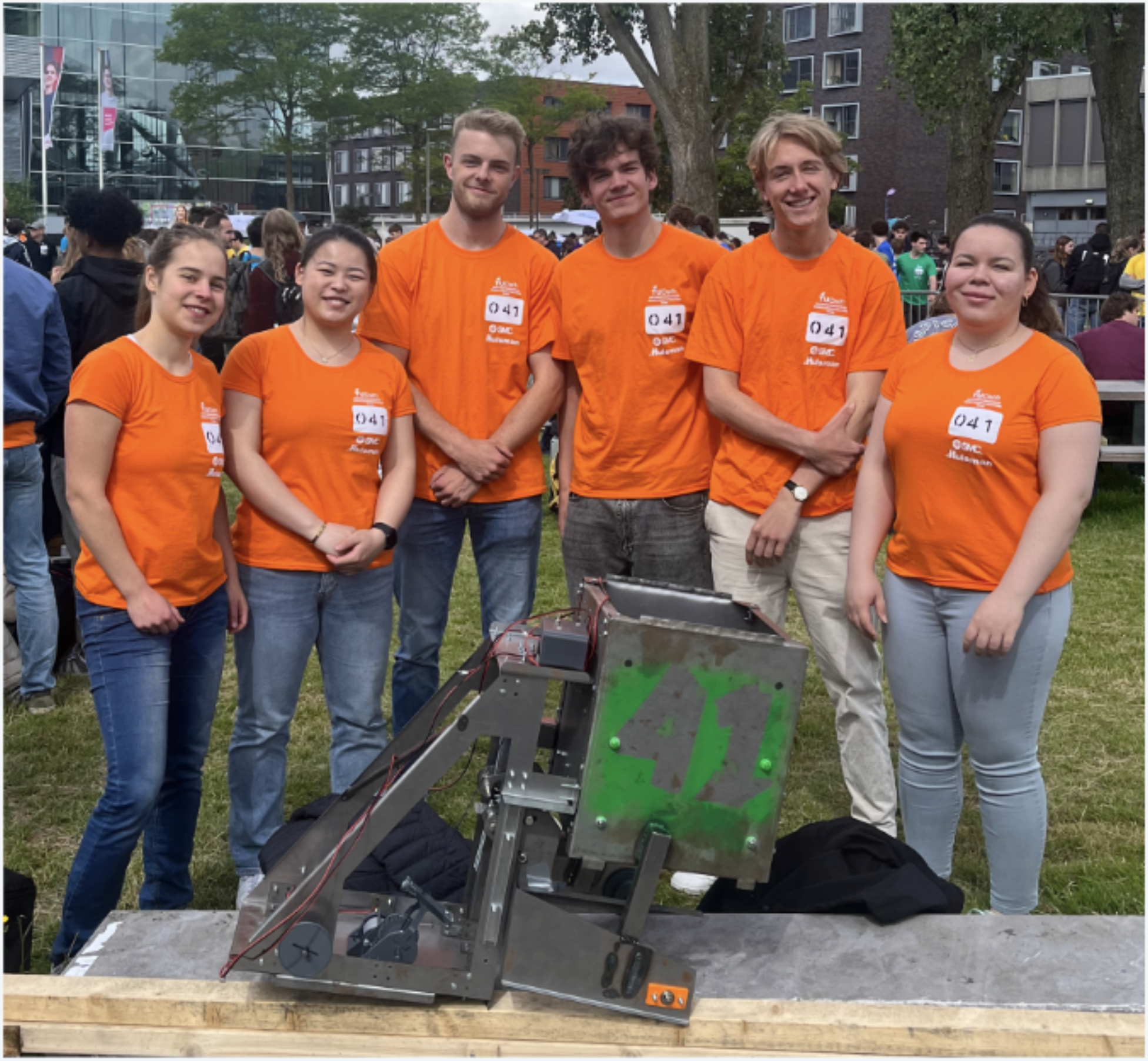
Assignment with competition element
This project focused on designing and realizing a fully mechanical crate stacker as part of a TU Delft engineering design competition. The objective was to create a compact machine capable of building the highest possible stack of crates within a limited time while meeting strict physical, safety, and operational constraints. The stacker had to remain under 43 cm in height, operate on wooden rails, function without direct human contact or programmable electronics, and move forward while carrying the stacked crates.
To achieve this, the assignment required translating functional requirements into a complete mechanical system through concept development, technical analysis, manufacturing, and testing.

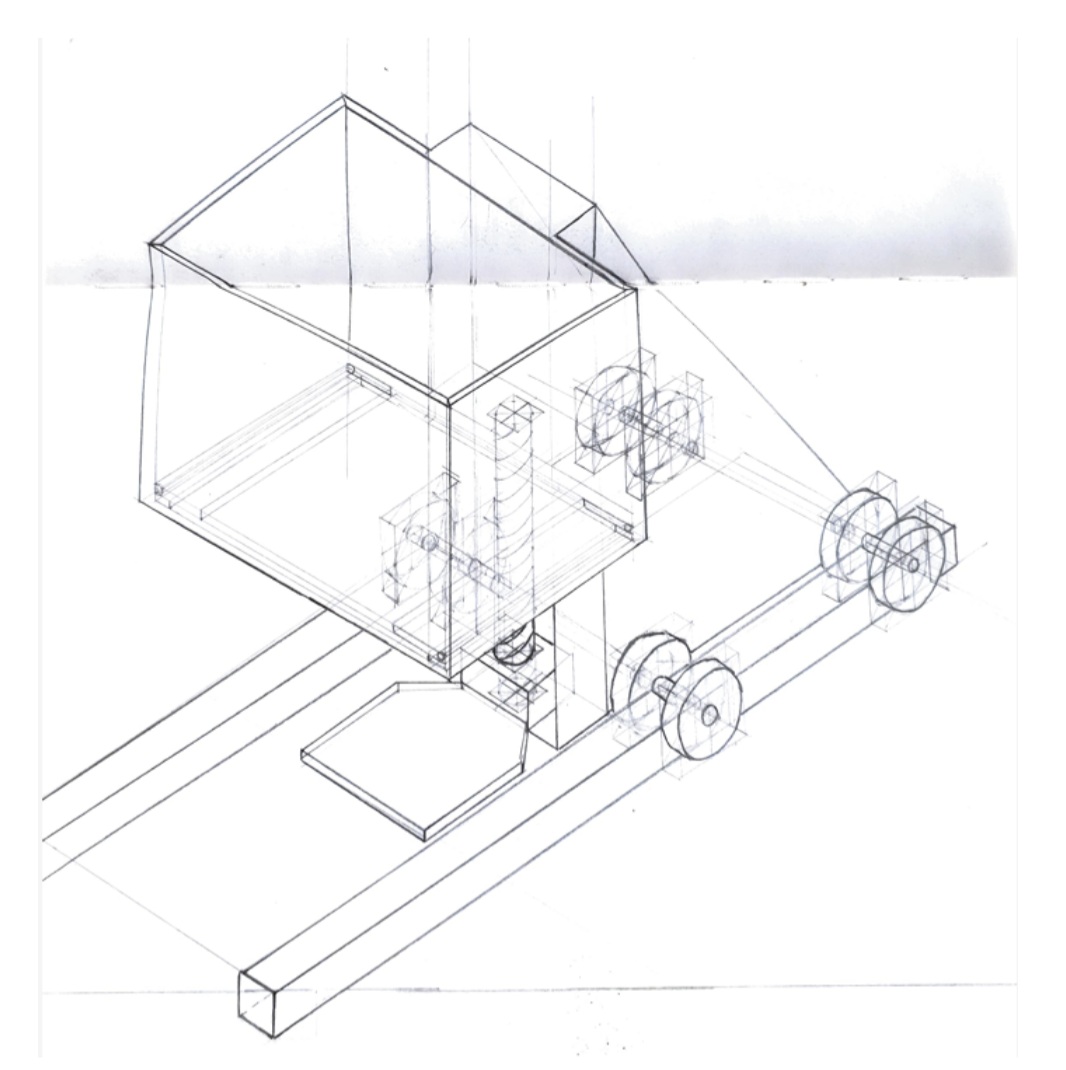
Realisation & iteration
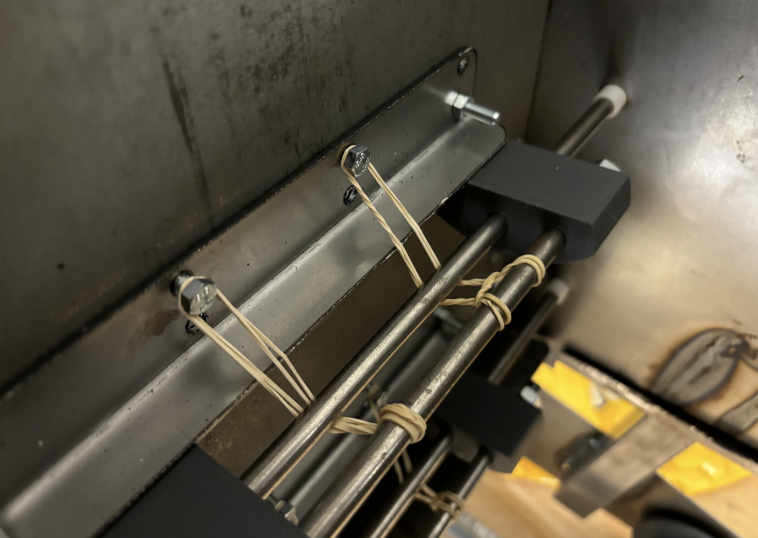
During fabrication and testing, several practical challenges emerged that required design adjustments. Structural deformation, frame instability, and friction in moving components had to be solved through reinforcement, added supports, and geometry changes. These iterations demonstrated how real-world behaviour often differs from digital models and highlighted the importance of testing and continuous improvement within engineering projects.

What I Learned
Technical skills
- Translating functional requirements into mechanical concepts
- Creating and interpreting 3D CAD models and technical drawings within a collaborative project
- Understanding structural behaviour, loads, and stability in mechanical design
- Applying iterative prototyping, testing, and redesign to improve system performance
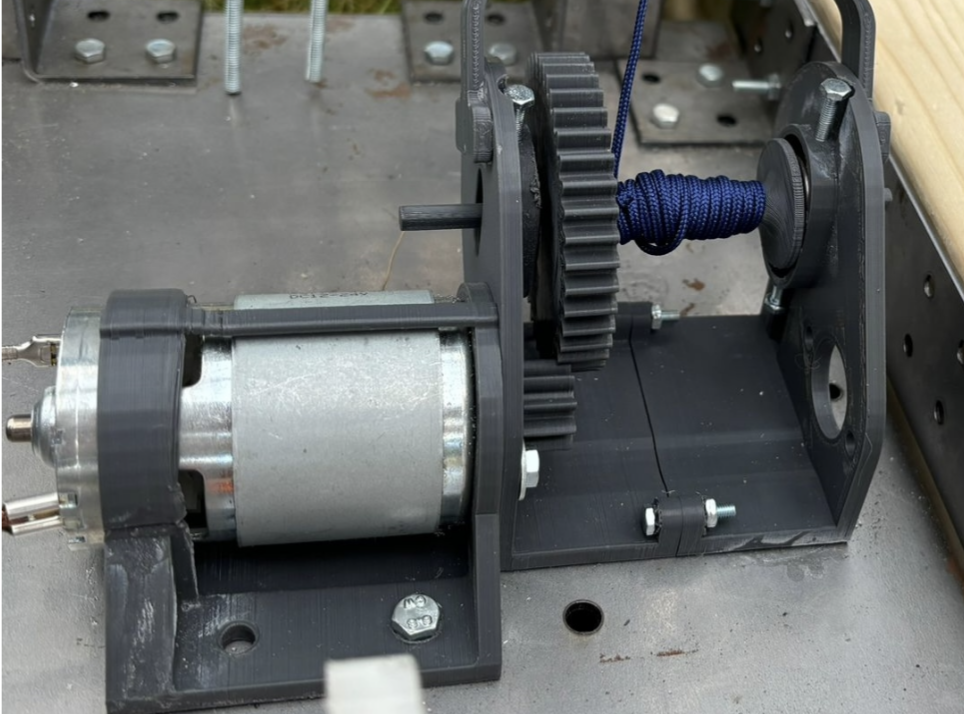
- Integrating motors, mechanisms, and frame structures into one complete mechanical system
- Preparing clear manufacturing instructions for individual components
- Documenting folding sequences, assembly steps, required dimensions, and correct placement of parts
Professional skills
- Working in a multidisciplinary engineering team
- Making design decisions based on evaluation criteria
- Documenting and communicating technical work
- Reflecting on performance gaps and improvement opportunities
Design Approach
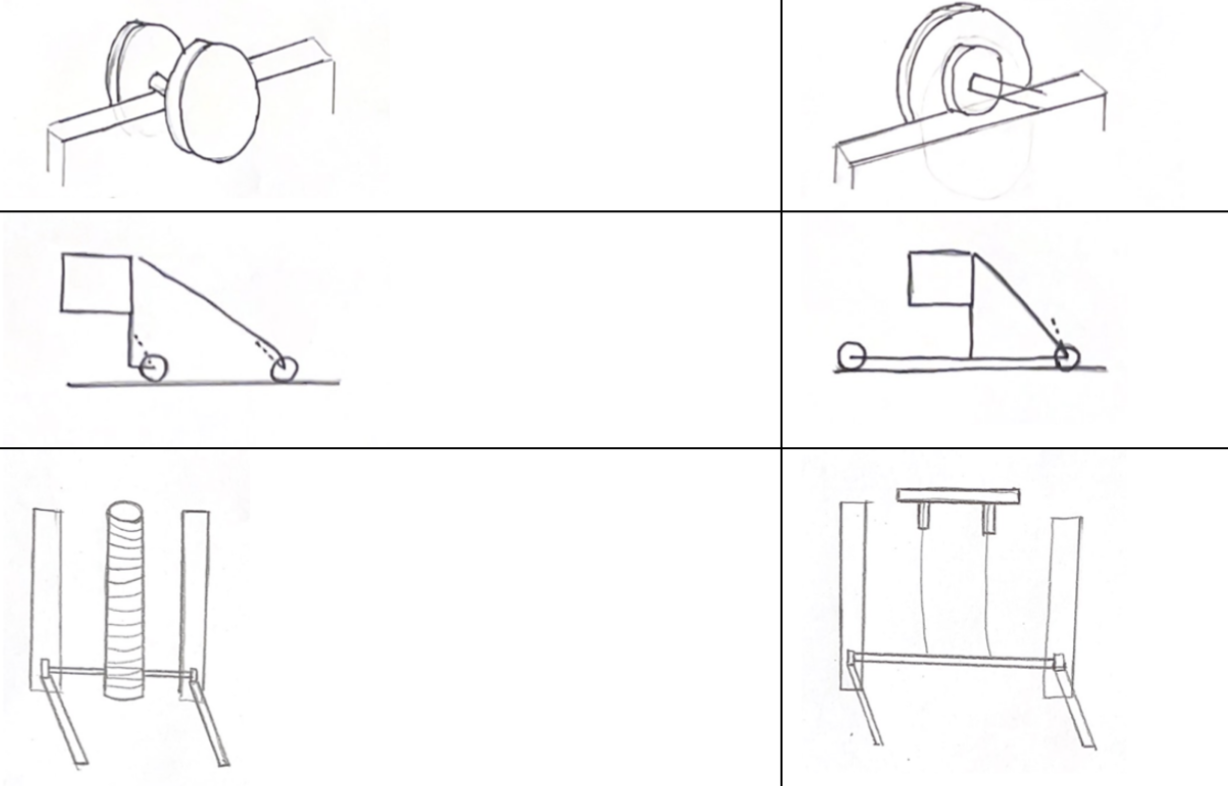
Our team followed a structured engineering design process. We first analysed the functional requirements and developed multiple concept directions, each solving the stacking problem in a different way. After evaluating the concepts on stability, simplicity, and performance, we selected the concept that kept the crate stack at a constant height, therefore improving stability during motion.
This systematic comparison of alternatives helped me understand how engineering decisions are guided by measurable criteria rather than intuition alone.
Performance & Reflection
Testing showed that the machine did not always perform exactly as expected. This highlighted how factors such as the way the system was operated, the alignment of the structure, and mechanical limitations all influence the final performance. By analysing these differences, I gained a clearer understanding of the gap between theoretical engineering predictions and real-world results, and how this insight can be used to improve future designs.
In the final competition, our group succeeded in stacking 13 crates within the allotted time, providing valuable insight into the gap between predicted and real-world performance.